Physical Address
304 North Cardinal St.
Dorchester Center, MA 02124
Physical Address
304 North Cardinal St.
Dorchester Center, MA 02124
My life in Norway feels like it has increased in speed to about 100 mph over the last 10 days. Some of that is related to the number of logistics and activities that I have been doing. I gave two presentations on campus last week. I also completed my taxes, took an unsuccessful dive into purchasing LA 28 Olympics, and I’ve been working on logistics for my vacation in late May. I am down to less than three weeks remaining of my time in Bergen.
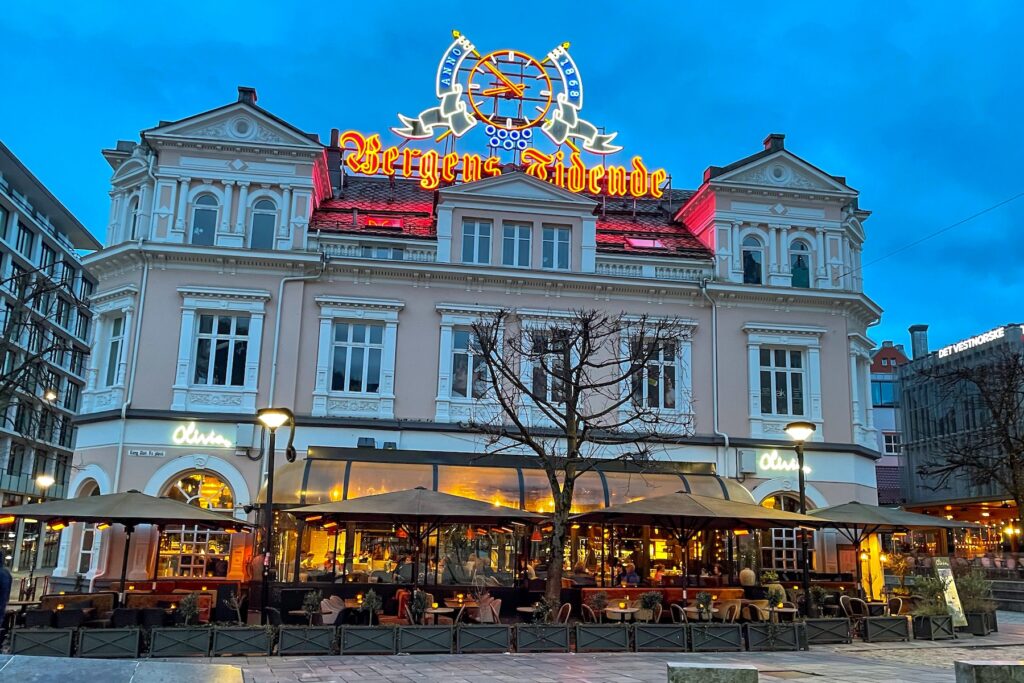
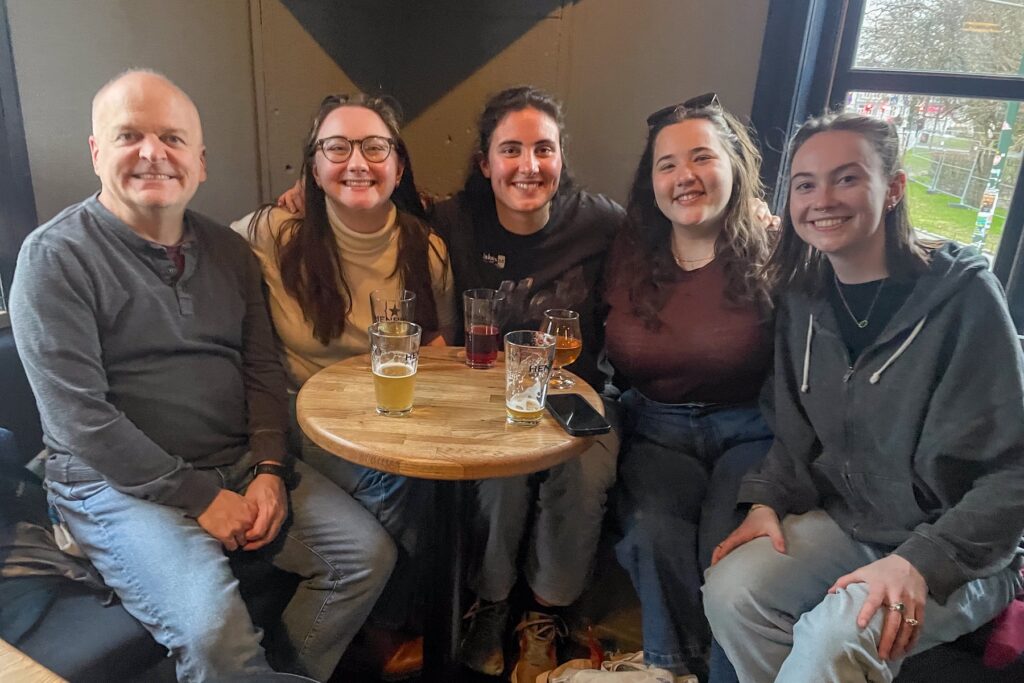
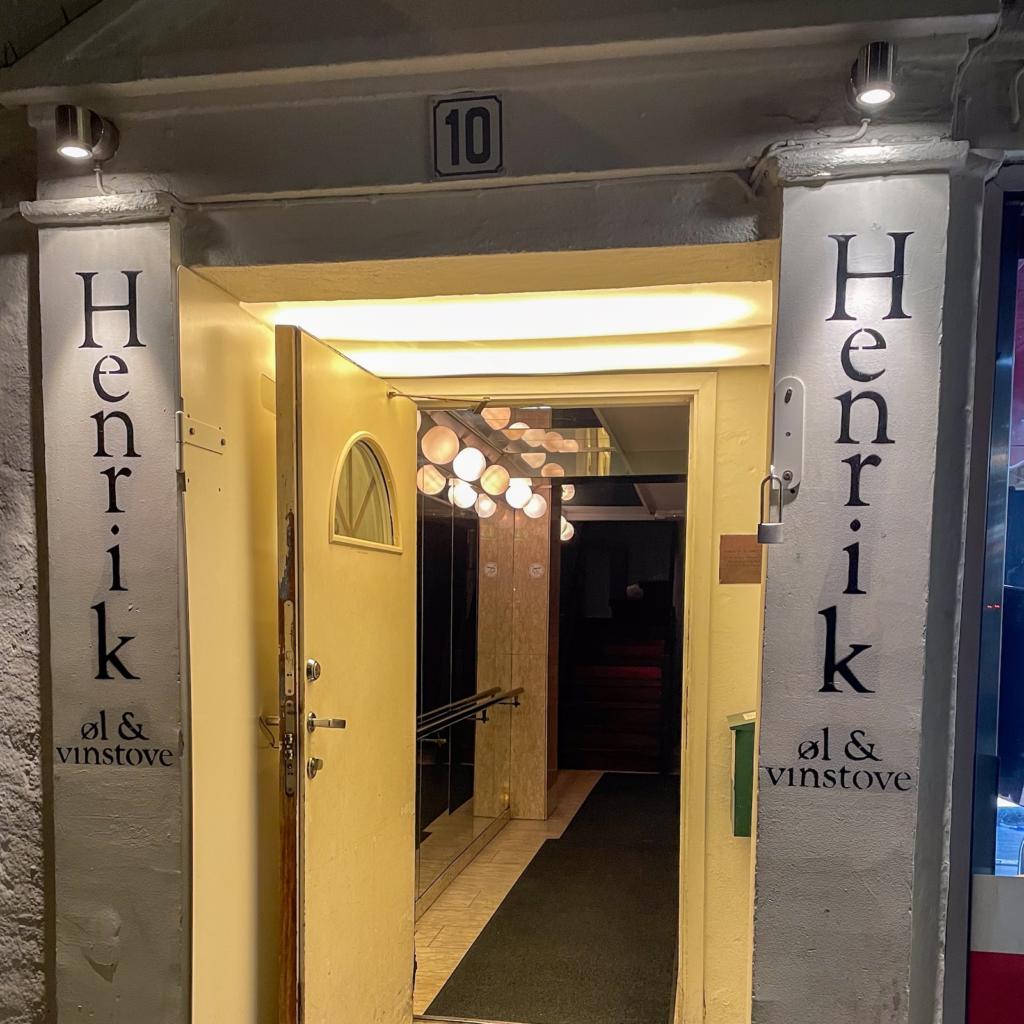
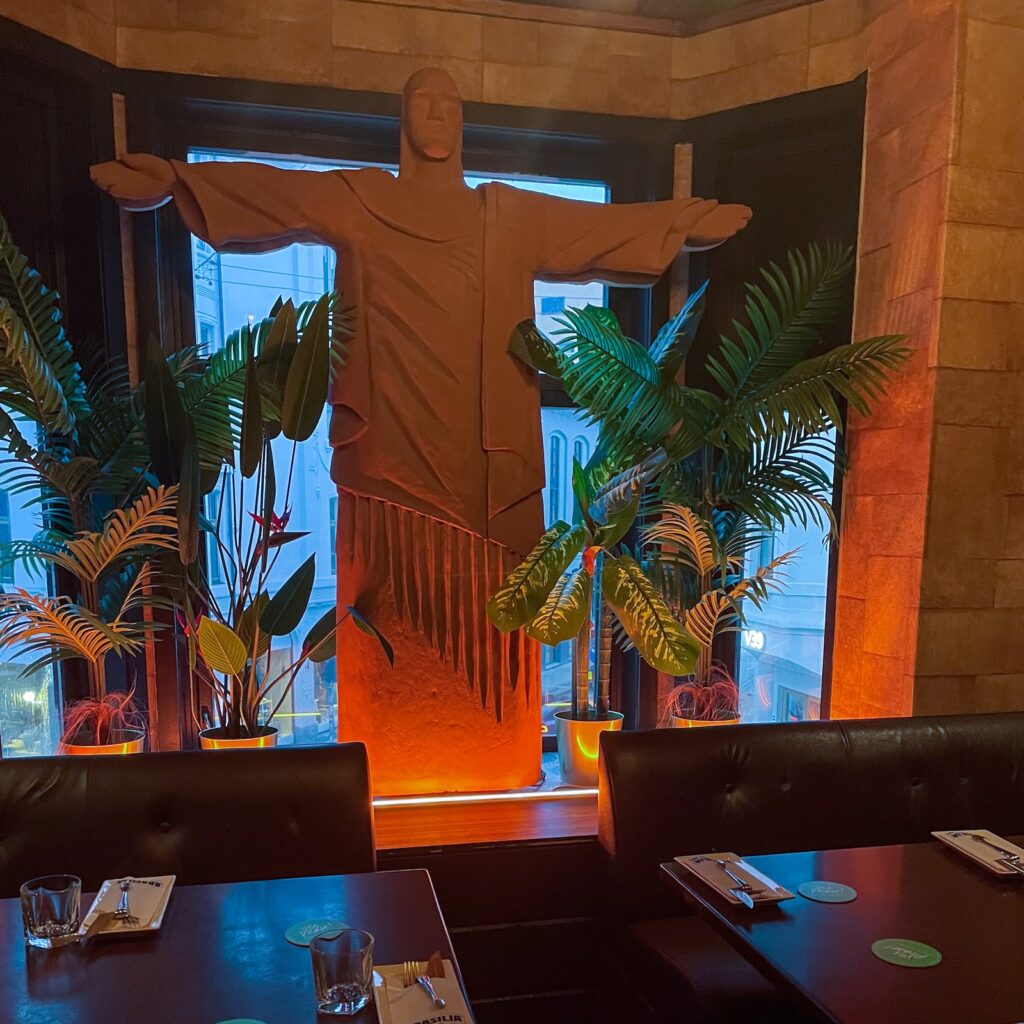
I recently had my birthday. In today’s modern, digital world, the day was filled with birthday greetings from near, and mostly far. To no surprise, there was a slight time shift with many of the birthday greetings arriving after I went to bed with the 8-hour time difference to Colorado. On my birthday, 10 years ago, I received text messages from two close Denver friends that scolded me for not telling them it was my birthday that day. One took me out for brunch. The other made a case for: “Just host a happy hour for your birthday. It’s low-key, it doesn’t take much effort to organize, and those that want to come will come, and those that don’t won’t. It’s easy.” Based on that instruction, 6 of the last 9 years, I have hosted a happy hour at a local tap room with friends on my birthday. The three years without: blizzard, COVID, COVID. I don’t have the community of friends in Bergen for me to initiate a birthday happy hour. However, two of the Fulbright recipients that are based on Trondheim came down to Bergen for the weekend. I was able to get together with those two, and two of the Bergen-based Fulbright recipients, at a rare Norwegian beer pub the day after my birthday. I called it close enough to say the tradition has continued. Although, I waited until about four days to share with them that it was my birthday weekend. I also decided that a fun birthday treat would be to go out for a nice dinner. I chose Brasilia Bergen, which is a Brazilian Steakhouse in Bergen.
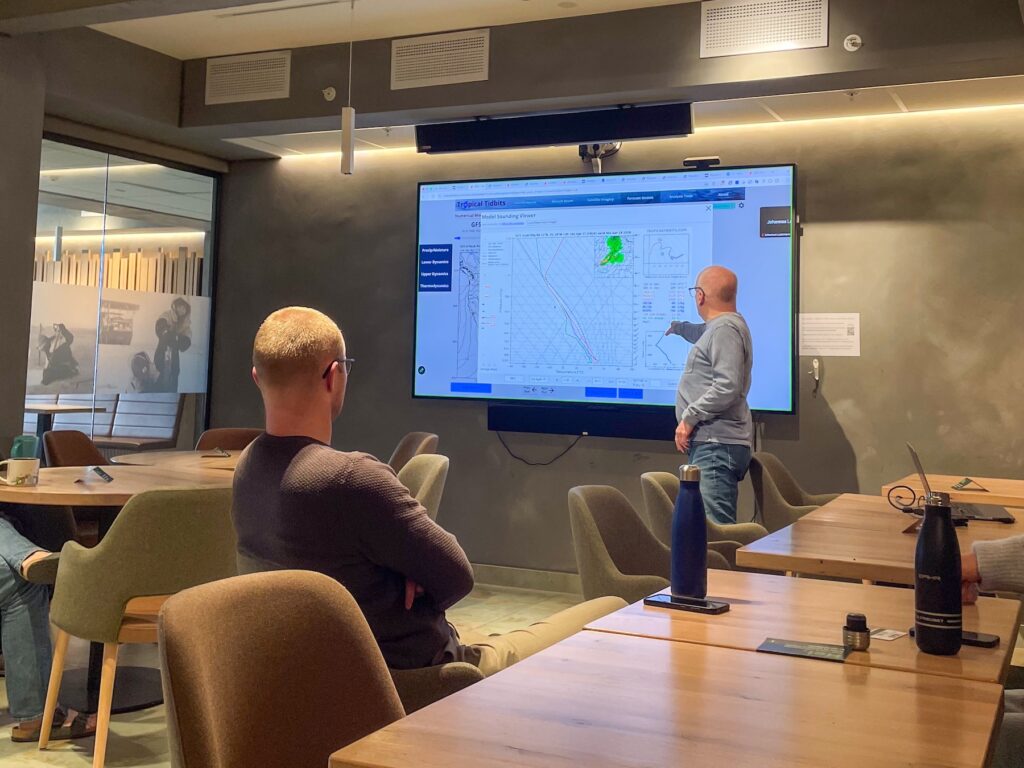
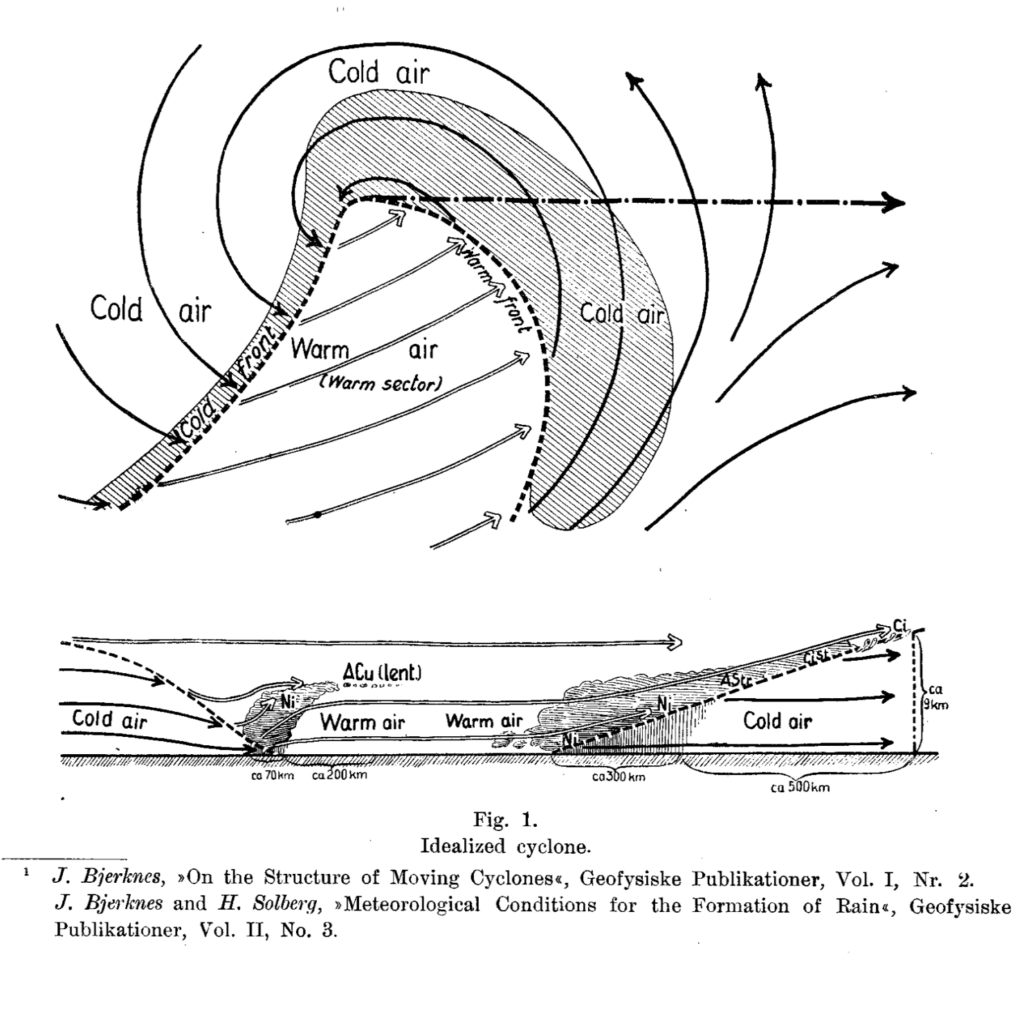
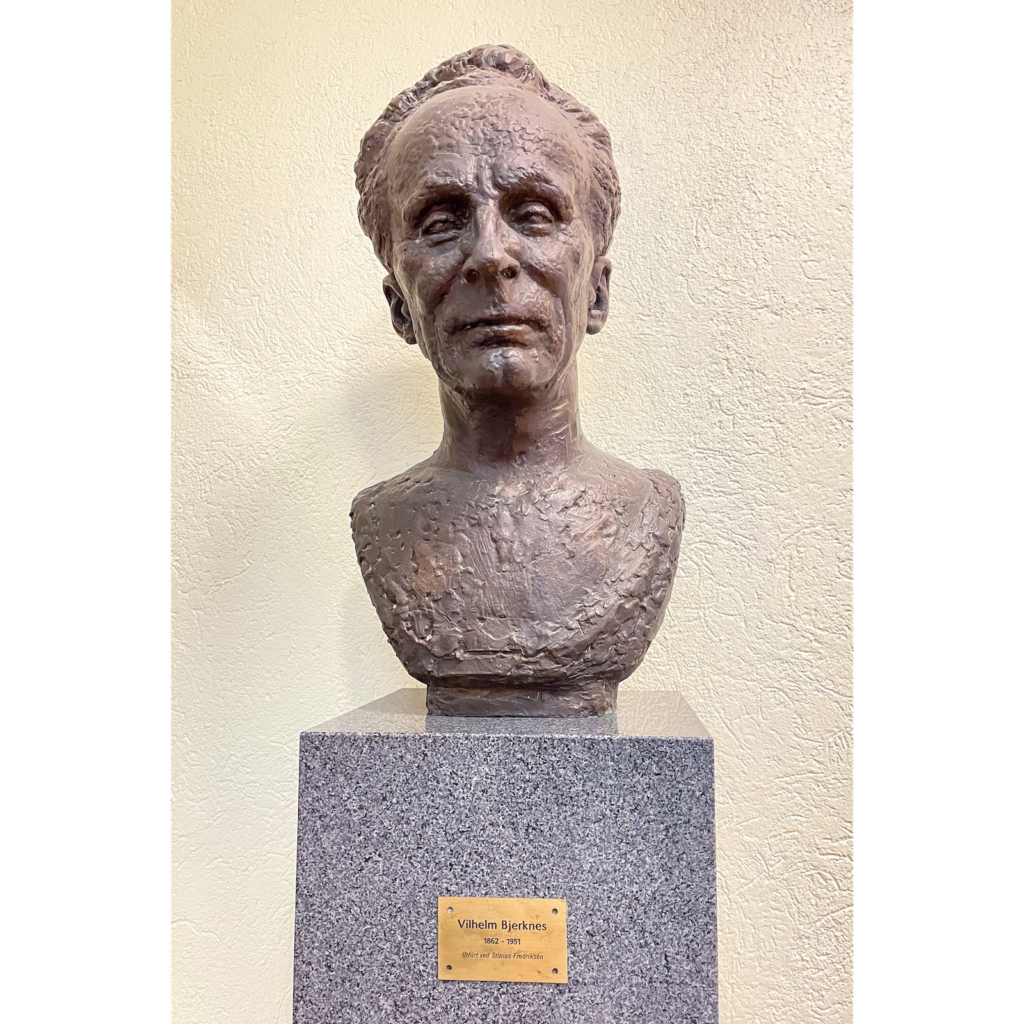
Each Friday afternoon the students and faculty for the Geofysisk institutt (GFI, Geophysical Institute) at the University of Bergen (UiB) gather to have a “Charts Discussion”. This is a common feature of most all meteorology departments. At the University of Wisconsin, where I received my masters, it is called Weather Watch and occurs during lunch on Friday. At the University of Colorado, it is the weekly Weather Discussion, and it occurs on Mondays. I have been attending the Charts Discussion since not long after I arrived at UiB. There has been a rotation of mostly graduate students that have been leading the Charts Discussion. This past Friday, I decided it was my turn to give the Charts Discussion, albeit with my biased U.S.-centric training. Giving the weather discussion was a special treat for me because of the history at GFI. Vilhelm Bjerknes, who is one of the fathers of modern weather forecasting, founded GFI in 1917. It was in the halls of the GFI that Vilhelm, and his son, Jacob, developed the “Norwegian cyclone model”. This conceptualization is now referred to as the mid-latitude cyclone model. This is the description of the typical weather system that you see during weather forecasts with low pressure systems, a warm front, a cold front, an occluded front, etc. I was able to give a Charts Discussion in the same institute with all of the history that is tied to my lifelong passion of weather.
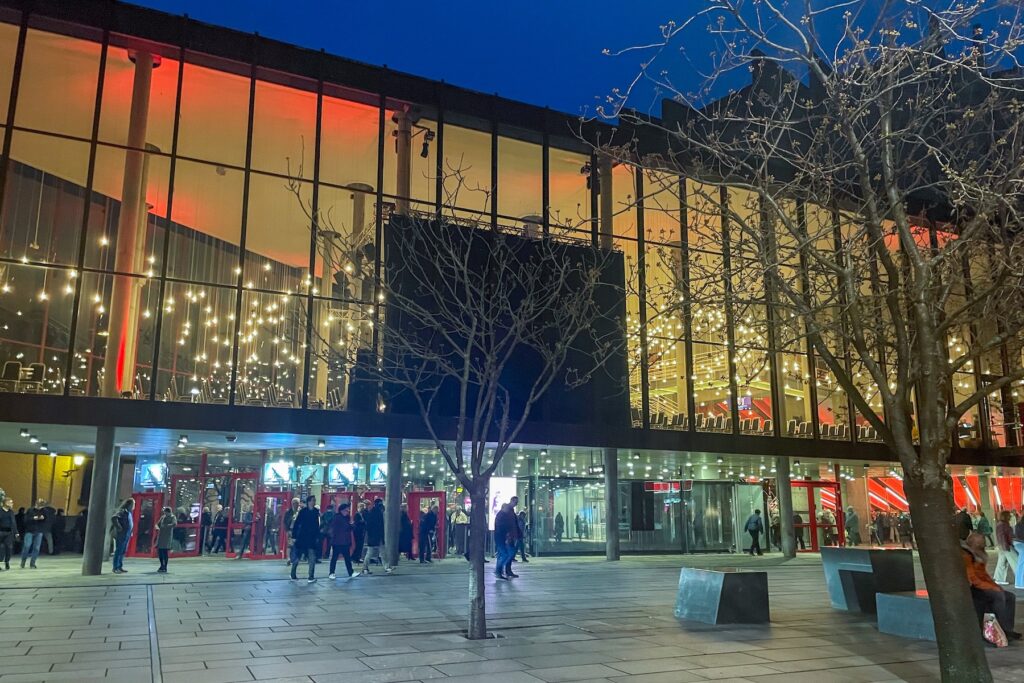
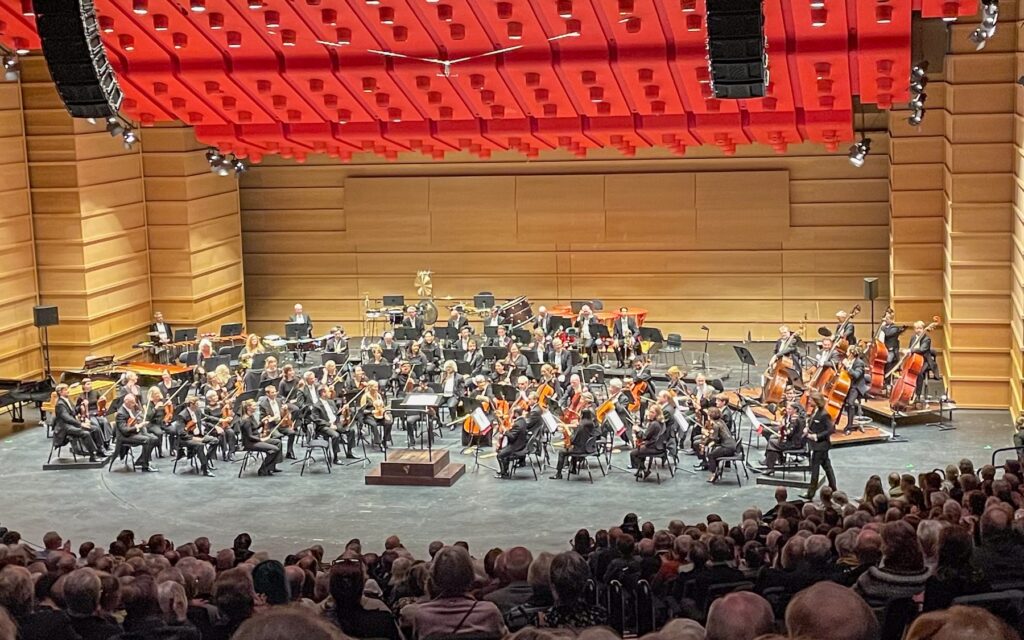
I was working late this last Friday when a coworker, with an office a few doors down from mine, offered me a free ticket to the Bergen Philharmonic Orchestra, which was starting 15 minutes later. I quickly packed up my stuff for the weekend and the two of us walked to Grieghallen (The Grieg Hall, named after the famous Bergen composer, Edward Grieg). We got to our seats two minutes before the start of the concert. I am not a huge classical music fan, but this was a pleasure for me to see. It was likely the most high-end musical performance that I have ever attended. I have been trying to take in more unique experiences during my time in Bergen, which is why it took about 30 seconds for me to say ‘yes’ when I was asked if I wanted to go to the concert.
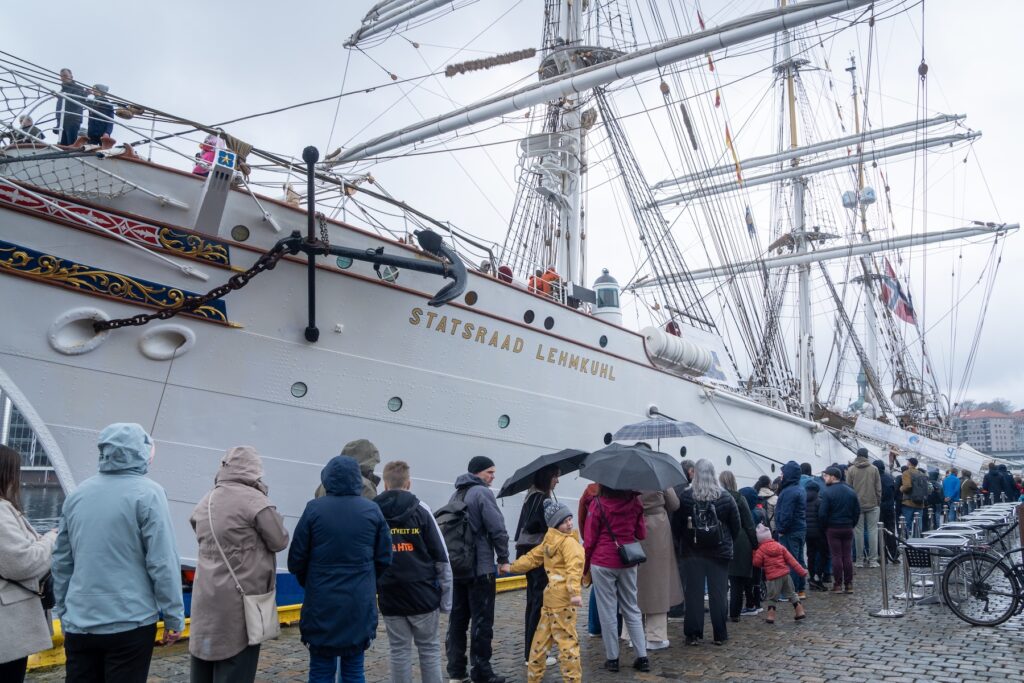
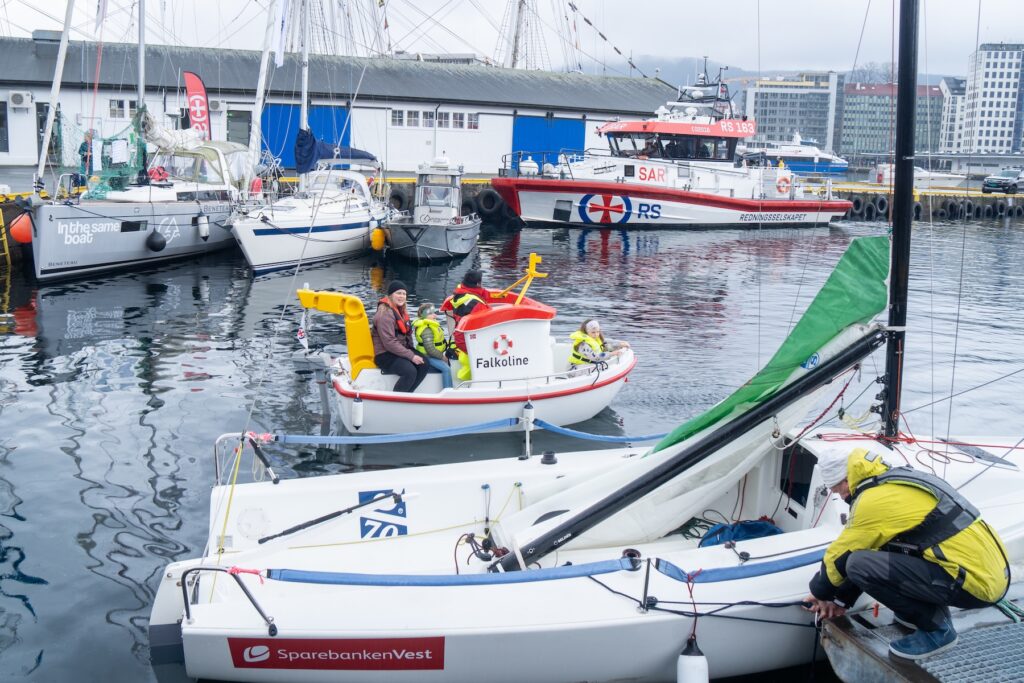
One Ocean Week is an annual event in Bergen that places a focus on the ocean’s role from a global perspective. It is combination of research, education, political, and business perspectives on the ocean. The week includes conferences, seminars, workshops, exhibitions and public activities. I took a walk around the harbor this past Sunday to take in some of the public exhibits. The big draw was the Statsraad Lehmkuhl, which is a three-masted sailing vessel that was launched in 1914. It was originally a German ship, given to Britain as a war reparation, purchased by Norway, captured by Nazi Germany, and then returned to Norway after WW II.
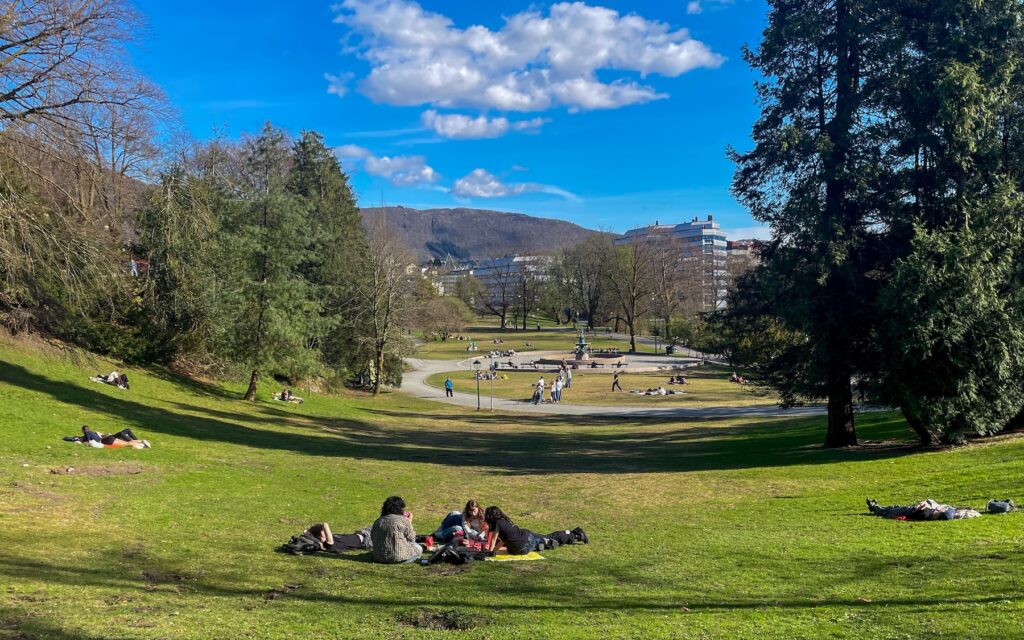
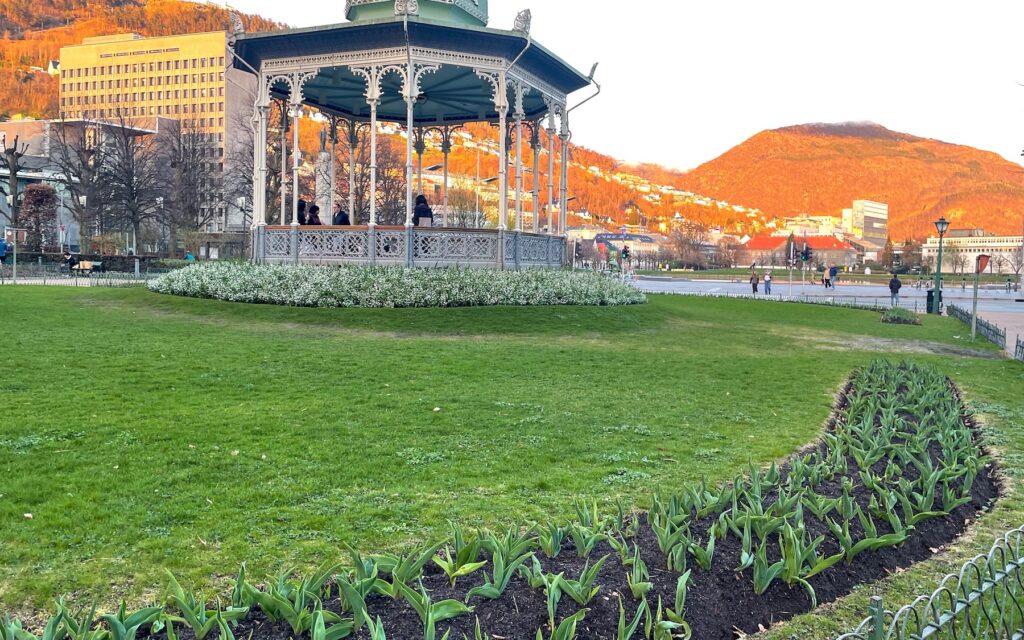
It is absolutely spring in Bergen. In the last week, I noticed that the city gardeners have been out and about planting flowers in many of the parks around Bergen Sentrum. We have had clear skies three days in the past week with temperatures reaching the upper 50s °F. I realized a new way to gauge the severity a city’s winter is based on the extreme reaction of its residents when there is sun and warmth in the spring. I took a walk around campus yesterday afternoon for no other reason than to see all of the people enjoying the warmth and sun.